
How Does Shopify Headless Work?
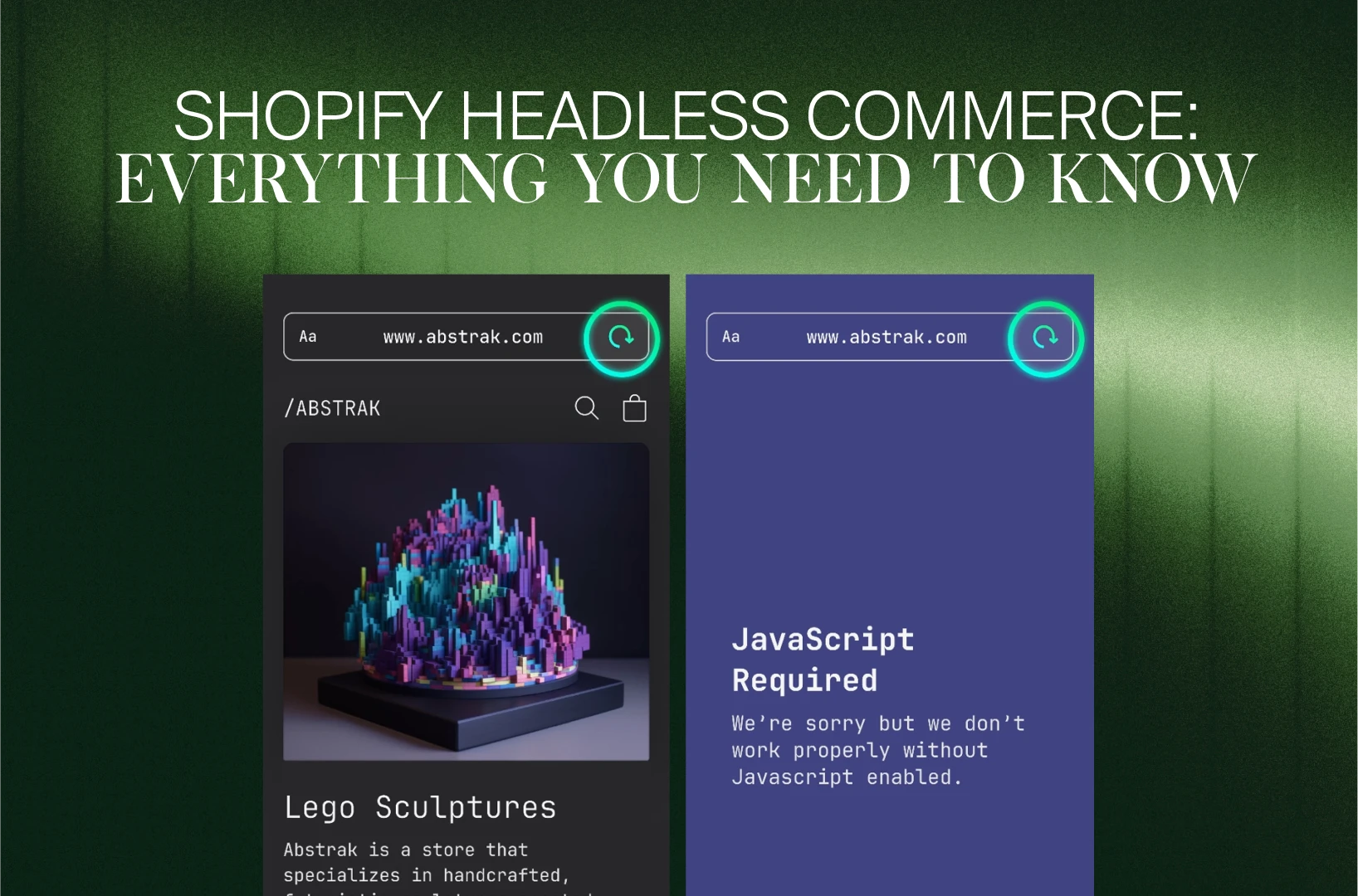
Shopify Headless Commerce separates Shopify’s powerful backend from a fully custom frontend, giving brands greater freedom to design unique and high-performing eCommerce experiences. With modern technologies like React, Next.js, and Shopify Hydrogen, businesses can build flexible storefronts while Shopify manages products, data, and checkout seamlessly.
With a traditional Shopify setup, the storefront and backend are closely connected, which can limit how far you can customize the experience. Headless Commerce separates the frontend from Shopify’s backend, allowing developers to build highly customized storefronts using Storefront and Admin APIs. This provides greater flexibility, creative freedom, and control over performance.
This flexible architecture can improve site performance and user experience while enabling a composable commerce approach. Shopify can seamlessly connect with specialized platforms like Storyblok, Sanity, or Contentful for content management, and HubSpot or Klaviyo for marketing automation—creating a more powerful and scalable eCommerce ecosystem.
For developers, Headless Shopify enables streamlined development, automated CI/CD deployments, and seamless integration with third-party services through APIs. For brands, it delivers greater scalability, consistent omnichannel experiences, and a flexible infrastructure built to support long-term growth.
Showmine helps brands build scalable Shopify, composable, and headless commerce solutions, combining flexible architectures with modern technologies to create high-performing, API-driven eCommerce experiences designed for growth across global markets.
To simplify and accelerate headless development, Shopify offers two powerful technologies: Hydrogen for building custom storefronts and Oxygen for hosting and deploying them with ease.
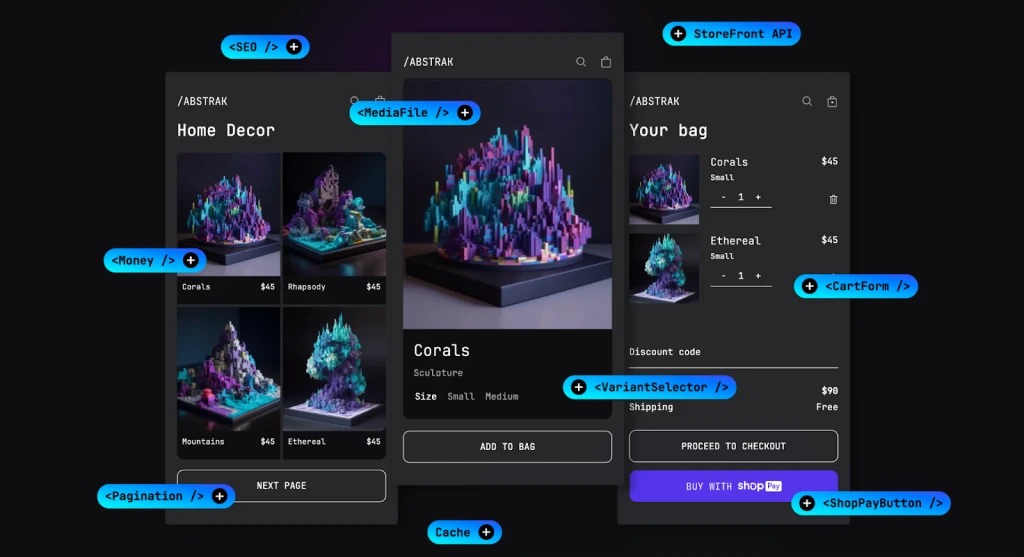
- Hydrogen is Shopify’s React-based framework for building fast, flexible, and fully customized headless storefronts. Its modern architecture streamlines development and deployment, giving brands greater control over performance, user experience, and storefront functionality.
- Oxygen is Shopify’s global hosting platform built specifically for Hydrogen storefronts, delivering fast performance, reliable scaling, and seamless deployment across regions without the need for separate third-party hosting.
Additionally, Shopify Headless provides powerful analytics and insights that help brands understand customer behavior and make data-driven marketing decisions.
Beyond the storefront architecture, Shopify continues to introduce backend updates that directly influence how developers build and manage headless commerce experiences:
- With API version 2025-01, tax and duty fields are no longer included in the Storefront API cart object. These calculations are now handled directly at checkout, providing more accurate and reliable results.
- Shopify is gradually moving away from the REST API in favor of GraphQL, providing a more flexible and efficient approach for modern app and headless development.
- Differences in updatedAt timestamps between the Storefront and Admin APIs can create data inconsistencies. Maintaining proper API version control and monitoring helps ensure reliable data synchronization in headless environments.
With these advancements, Shopify Headless Commerce has evolved beyond simply separating the frontend and backend. It now offers a flexible, developer-focused ecosystem built for modern frameworks, high performance, and scalable composable commerce experiences.
Where Traditional Shopify Setups Fall Short
Shopify’s traditional setup offers a simple, integrated approach where the storefront, content, and backend functionality are managed within a single theme. This works well for growing businesses, but as brands expand, the need for greater customization, advanced functionality, and performance can make these native limitations more noticeable.
1. Where Design Flexibility Falls Short
Liquid themes provide a straightforward way to customize Shopify stores, but complex designs and advanced user experiences can become challenging to implement and maintain. As customization grows, development can become more complex and harder to manage. With Headless Shopify, teams can use frameworks like React or Next.js to create highly customized storefronts while Shopify continues to handle checkout, inventory, and backend operations.
2. When Performance Becomes a Challenge
As a store grows, additional content, apps, and scripts can increase page load times and affect the overall user experience. A Headless Shopify architecture can help reduce this overhead by using modern frameworks such as Hydrogen and Shopify’s Oxygen hosting platform to deliver fast, scalable storefront experiences.
3. Building a Connected Omnichannel Experience
Customers interact with brands across websites, mobile apps, marketplaces, and physical touchpoints. Traditional Shopify themes are primarily designed for web storefronts, which can make unified experiences across multiple channels more challenging. With a Headless Shopify approach, businesses can use Shopify’s backend across different frontends while maintaining consistent data, seamless experiences, and scalable growth.
4. Accelerating Innovation and Releases
When the frontend and backend are tightly connected, even minor design updates can require more complex development and deployment processes. A Headless Shopify setup allows developers and marketing teams to work more independently—marketers can manage content while developers improve the storefront experience, enabling faster experimentation and smoother releases.
Key Takeaway: Traditional Shopify provides a streamlined foundation for launching an online store, while Headless Shopify offers greater flexibility for long-term growth. As brands expand across products, markets, and digital touchpoints, a decoupled architecture can provide the scalability and adaptability needed to build a future-ready eCommerce experience.
Key Advantages of Shopify Headless Commerce
Headless commerce goes beyond a technical upgrade—it gives brands greater freedom to design, develop, and scale modern digital experiences. For growing and enterprise businesses, Shopify Plus Headless provides the flexibility, performance, and scalability needed to support evolving customer expectations and complex commerce requirements.
1. Complete Design Freedom
Traditional Shopify themes can limit advanced visual customization. Headless Shopify gives teams greater creative freedom to build custom storefronts with technologies like React, Next.js, or Shopify Hydrogen. This makes it easier to create distinctive layouts, interactive experiences, and personalized interfaces while maintaining strong performance and SEO.
Key Takeaway: Headless Shopify gives your team greater creative freedom, making it possible to build unique, engaging storefront experiences beyond the limitations of traditional Shopify themes.
2. Faster Performance with API-Driven Architecture
Headless Shopify uses Shopify’s GraphQL Storefront API to connect the frontend with Shopify’s backend efficiently, reducing the need for heavy themes and unnecessary code. When paired with Oxygen, storefronts can benefit from edge delivery, caching, and scalable infrastructure designed to support fast experiences across global markets.
Key Takeaway: Separating the presentation layer gives Shopify headless storefronts greater control over performance, helping brands create faster, smoother, and more engaging customer experiences.
3. Consistent Omnichannel Experiences
Customers interact with brands across websites, mobile apps, marketplaces, and physical stores. With Headless Shopify, a single Shopify backend can support multiple frontends and digital touchpoints through APIs. This keeps products, content, customer data, and commerce experiences connected across channels for a more consistent journey.
Key Takeaway: Headless Shopify helps maintain a consistent brand experience and connected commerce data across digital and physical touchpoints.
4. Faster Development and Greater Flexibility
Headless Shopify supports modern development workflows, including CI/CD pipelines and modular architecture. Teams can release updates faster, integrate third-party APIs, and test new experiences with less impact on the live storefront. This gives developers more freedom to innovate while helping businesses scale efficiently.
Key Takeaway: Separating the frontend and backend enables faster development, easier experimentation, and more reliable updates, helping teams innovate while scaling efficiently.
5. Scalable Architecture for Business Growth
As businesses expand into new markets, currencies, languages, and larger product catalogs, a scalable architecture becomes essential. Shopify Plus combined with a headless approach provides the flexibility to handle growing traffic and complex commerce requirements while making it easier to launch new markets and customer experiences without completely re-platforming.
Key Takeaway: Headless Shopify creates a flexible foundation for long-term growth, allowing your commerce ecosystem to scale and adapt as your brand evolves.
Key Challenges and Considerations
While Shopify Headless Commerce offers greater flexibility, performance, and scalability, it may not be the right approach for every business. The added freedom also brings greater technical complexity, development requirements, and ongoing maintenance, which can be challenging for smaller teams or simpler eCommerce operations.
1. Managing Development Complexity
Headless Shopify requires expertise in API integrations, modern frameworks such as React or Next.js, and deployment workflows. Maintaining a separate frontend alongside Shopify’s backend also requires effective coordination, testing, and ongoing technical management.
2. Higher Setup and Maintenance Requirements
Compared with a traditional Shopify theme, a Headless Shopify setup typically requires more initial development and ongoing technical maintenance. Beyond the storefront, teams may need to manage hosting, deployments, API integrations, and other components of the commerce architecture.
3. Managing API Dependencies and Versions
Headless Shopify relies heavily on APIs to connect the storefront with Shopify and other services. As Shopify introduces new API versions and updates existing ones, developers need to monitor changes, manage deprecated features, and keep integrations updated to maintain a stable and reliable storefront.
4. Managing Security and Performance
A decoupled architecture introduces more integration points, making consistent security and performance management essential. Teams need to implement proper authentication, caching, monitoring, and error handling across connected services to keep the storefront secure, stable, and reliable.
5. Preparing Teams for Headless Commerce
Headless transformation goes beyond technology—it also requires strong collaboration across teams. Marketing, design, and development teams need to work together within an agile workflow, allowing content, design, and code to evolve efficiently in parallel.
How Showmine Builds Headless Shopify Experiences
As a Shopify-focused eCommerce partner, Showmine helps brands move from traditional Shopify setups to flexible, composable architectures built for scalability, performance, and creative freedom. Our approach combines modern technologies with Shopify’s commerce capabilities to create tailored digital experiences that support long-term growth.
1. Building with Hydrogen and Oxygen
We create custom Hydrogen storefronts hosted on Oxygen, giving brands greater control over their frontend while delivering scalable performance and a flexible foundation that goes beyond traditional Liquid themes.
2. Connecting Composable Tools
A successful headless Shopify experience relies on seamless integrations. Showmine connects Shopify with powerful tools such as Storyblok, HubSpot, Klaviyo, and Contentful to create a flexible and connected commerce ecosystem.
3. Real-World Shopify Solutions
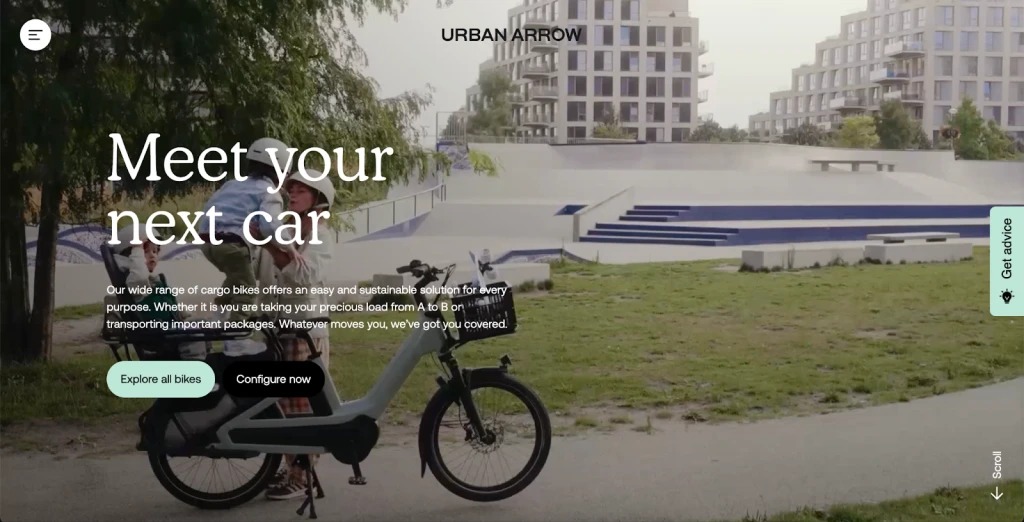
- Urban Arrow: Showmine delivered a headless Shopify Plus solution integrated with Storyblok, providing greater design flexibility, streamlined content management, and a scalable foundation for omnichannel growth.
- Stoov: Using an optimized Shopify Markets setup, Stoov streamlined multiple regional storefronts into a unified commerce ecosystem, making it easier to manage international markets and deliver consistent customer experiences.
Is Shopify Headless the Right Fit for Your Brand?
Not every business requires a Headless Shopify setup, but it can be valuable for brands seeking greater flexibility, performance, and scalability beyond traditional Shopify. The key consideration is whether your current eCommerce infrastructure can support your evolving business needs and long-term growth.
1. When Traditional Shopify Themes No Longer Meet Your Needs
If your design or UX teams regularly encounter customization limits, slower updates, or conflicts between apps and plugins, it may be time to consider a more flexible storefront architecture.
2. Scaling Across Markets and Digital Touchpoints
Expanding brands often need a single commerce backend to support multiple regional storefronts, mobile apps, and microsites. A Headless Shopify architecture provides the flexibility to connect and manage these experiences through a unified backend.
3. When Performance Becomes a Business Priority
When page speed directly affects customer experience and conversions, Headless Shopify can provide a more performance-focused architecture. With Hydrogen and Shopify’s Oxygen hosting platform, brands can build fast, scalable storefronts designed for customers across global markets.
4. You Have the Right Technical Support
A Headless Shopify setup requires ongoing development, API management, and technical expertise. With the right in-house team or eCommerce partner, brands can build and scale a flexible headless experience.
Showmine supports brands with Hydrogen development, API integrations, localization, and performance optimization from strategy to launch.
5. You’re Building for Future Growth
As your brand expands into new markets, languages, and personalized experiences, Headless Shopify provides the flexibility to scale without rebuilding your entire store. It creates a flexible foundation that can adapt as your business grows.
When Headless May Not Be the Right Choice
Headless Shopify isn’t necessary for every business. For smaller or growing brands, Shopify’s native themes and app ecosystem can provide the flexibility and performance needed without the added complexity of a custom frontend.
If your priority is faster launches, simpler management, and lower development overhead, a traditional Shopify setup may be the better fit. The right approach depends on your business goals, technical needs, and plans for growth.
The Future of Shopify Headless Commerce
Headless commerce is becoming an important approach for brands building flexible and connected digital experiences. As Shopify continues to evolve, its ecosystem is increasingly focused on composability, performance, and intelligent commerce to help brands adapt and scale.
1. Composability Becomes the Standard
As brands move beyond traditional platforms, Composable Shopify enables businesses to connect specialized tools through Shopify APIs. Technologies like Hydrogen, Oxygen, and Storefront API work together to create flexible, scalable, and future-ready commerce ecosystems.
Key Takeaway: Composable commerce gives brands the flexibility to adopt new tools and digital touchpoints without rebuilding their entire technology stack, making it easier to adapt and scale.
2. AI-Driven Personalization and Automation
AI is becoming an important part of modern Shopify commerce. Tools like Shopify Magic and Sidekick help brands streamline content, personalization, and everyday workflows. Combined with Headless Shopify, these capabilities can support more personalized and efficient customer experiences across devices and markets.
Key Takeaway: Combining AI with headless commerce enables more adaptive storefronts, helping brands deliver personalized experiences that respond to customer needs across channels.
3. Hydrogen and Serverless Storefronts
Shopify Hydrogen enables developers to build fast, flexible, and modern storefronts with a focus on performance and scalability. When deployed on Oxygen, brands can deliver reliable global experiences while giving development teams greater flexibility to build, test, and improve their storefronts.
Key Takeaway: Hydrogen and Oxygen provide a strong foundation for fast, secure, and scalable Shopify storefronts, giving brands greater flexibility to build modern digital experiences.
4. A Shift Toward Adaptive Commerce
The future of headless commerce is moving toward more adaptive storefronts that use customer data, APIs, AI, and real-time insights to deliver more relevant experiences. This allows brands to create flexible storefronts that can respond to changing customer needs across different channels.
Key Takeaway: The future of Shopify Headless Commerce is about combining speed, flexibility, and intelligence to create more personalized digital experiences.
Conclusion: The Future of Shopify Headless Commerce
Shopify Headless Commerce gives brands the flexibility to build faster, more scalable, and highly customized digital experiences. By separating the storefront from Shopify’s backend, businesses gain greater control over design, performance, integrations, and customer experiences.
With technologies like Hydrogen, Oxygen, and composable APIs, brands can create flexible commerce ecosystems that evolve with their business and customer needs.
At Showmine, we help businesses turn this flexibility into scalable, high-performing Shopify experiences built for long-term growth.